



E-commerce is booming, with global sales projected to hit $8.1 trillion by 2026, up from $6.3 trillion in 2023, according to Statista. But growth alone doesn’t guarantee profits. The real edge comes from data-driven insights—using customer behavior, sales patterns, and market trends to make smarter decisions. A 2025 McKinsey report shows companies using data effectively see 5-6% higher profit margins than peers.

This guide explores how e-commerce businesses can turn raw data into revenue, backed by real-world stats and examples. Whether you’re optimizing inventory, personalizing marketing, or predicting demand, data is your competitive advantage. Search terms like “e-commerce data insights 2025”, “boost online sales with analytics”, or “data-driven e-commerce strategy” lead here—because results matter.
Why Data Matters More Than Ever in E-Commerce
In 2025, 79% of consumers expect personalized experiences, per Salesforce. Yet, only 31% of retailers fully use their data, per Deloitte. The gap? Most collect data but don’t act on it.
Key Data Sources Powering E-Commerce
| Data Type | What It Tells You | Business Impact |
|---|---|---|
| Customer Behavior | Clicks, time on page, cart abandonment | Reduce drop-offs by 20-30% with targeted nudges |
| Sales & Inventory | Top sellers, stock levels, return rates | Cut overstock costs by 15% via demand forecasting |
| Marketing Performance | Ad spend ROI, email open rates, channel attribution | Boost conversion 2-3x with optimized campaigns |
| Competitor Pricing | Real-time price tracking | Win 10-15% more sales with dynamic pricing |
1. Personalization: Turn Browsers into Buyers
68% of shoppers are more likely to buy from sites offering relevant recommendations, per Accenture. Amazon’s recommendation engine drives 35% of its revenue using past purchases and browsing history.
Real-World Win:
A fashion retailer used segmented email campaigns based on purchase history and increased repeat sales by 41% in Q1 2025, per Klaviyo data.
Pro Tip: Start small—group customers by RFM (Recency, Frequency, Monetary value). Tools like Google Analytics 4 (free) can segment users in minutes.
2. Inventory Optimization: Stop Stockouts and Overstock
43% of lost sales come from out-of-stock items, per Harvard Business Review. Meanwhile, excess inventory ties up $1.1 trillion in working capital annually across retail, per IHL Group.
How Data Helps:
- Demand Forecasting: Analyze seasonal trends + external factors (weather, events).
- Safety Stock Calculation: Maintain just enough buffer without waste.
- Supplier Sync: Share sales data for just-in-time delivery.
Case Study: A beauty brand used 3-month sales velocity + Google Trends data to predict viral product spikes, reducing stockouts by 62% during peak season.
3. Marketing That Actually Works
The average e-commerce email open rate is 21.5%, but personalized subject lines boost opens by 26%, per Campaign Monitor. On paid ads, lookalike audiences built from high-value customers deliver 2.7x higher ROI, per Meta.
Multi-Channel Attribution
Stop guessing which channel drives sales. Use UTM tracking + Google Analytics to see:
- Customer journey: Social → Email → Purchase
- True ROI: TikTok ads may start the funnel, but email closes it
| Channel | Avg. Cost Per Acquisition (2025) | Conversion Rate |
|---|---|---|
| Google Ads | $12.40 | 3.8% |
| Meta Ads | $9.80 | 2.9% |
| $0.60 | 4.2% | |
| Organic Search | $0 (time only) | 2.4% |
Source: WordStream & Litmus, 2025
4. Customer Retention: Cheaper Than Acquisition
Acquiring a new customer costs 5-25x more than retaining one, per Bain & Company. Yet, 44% of companies focus on acquisition vs. 18% on retention.
Data-Driven Retention Tactics:
- Churn Prediction: Flag at-risk customers (e.g., 60+ days since last order).
- Win-Back Campaigns: Offer 15% off to lapsed buyers → 32% reactivation rate, per Omnisend.
- Loyalty Insights: Reward top 10% spenders → they drive 40% of revenue.
5. Competitive Edge with Pricing & Market Intelligence
Dynamic pricing—adjusting prices in real-time—can increase margins by 2-5%, per BCG. Tools scrape competitor sites and adjust your prices automatically.
Example: An electronics seller used price tracking + demand signals to lower prices 8% during flash sales, gaining 18% market share in 3 months.
Challenges & How to Overcome Them
| Challenge | Solution |
|---|---|
| Data Silos | Use a central dashboard (e.g., Google Data Studio, Tableau) |
| Privacy Compliance | Follow GDPR/CCPA; anonymize data where possible |
| Skill Gaps | Train teams or partner with experts |
| Tool Overload | Start with 2-3 core tools (Analytics, CRM, Email) |
How RUDE LABS Helps You Unlock Data-Driven Growth
At RUDE LABS, we turn complex data into simple, actionable strategies—no tech overload required. We’ve helped 50+ e-commerce brands increase revenue by an average of 28% in the first year.
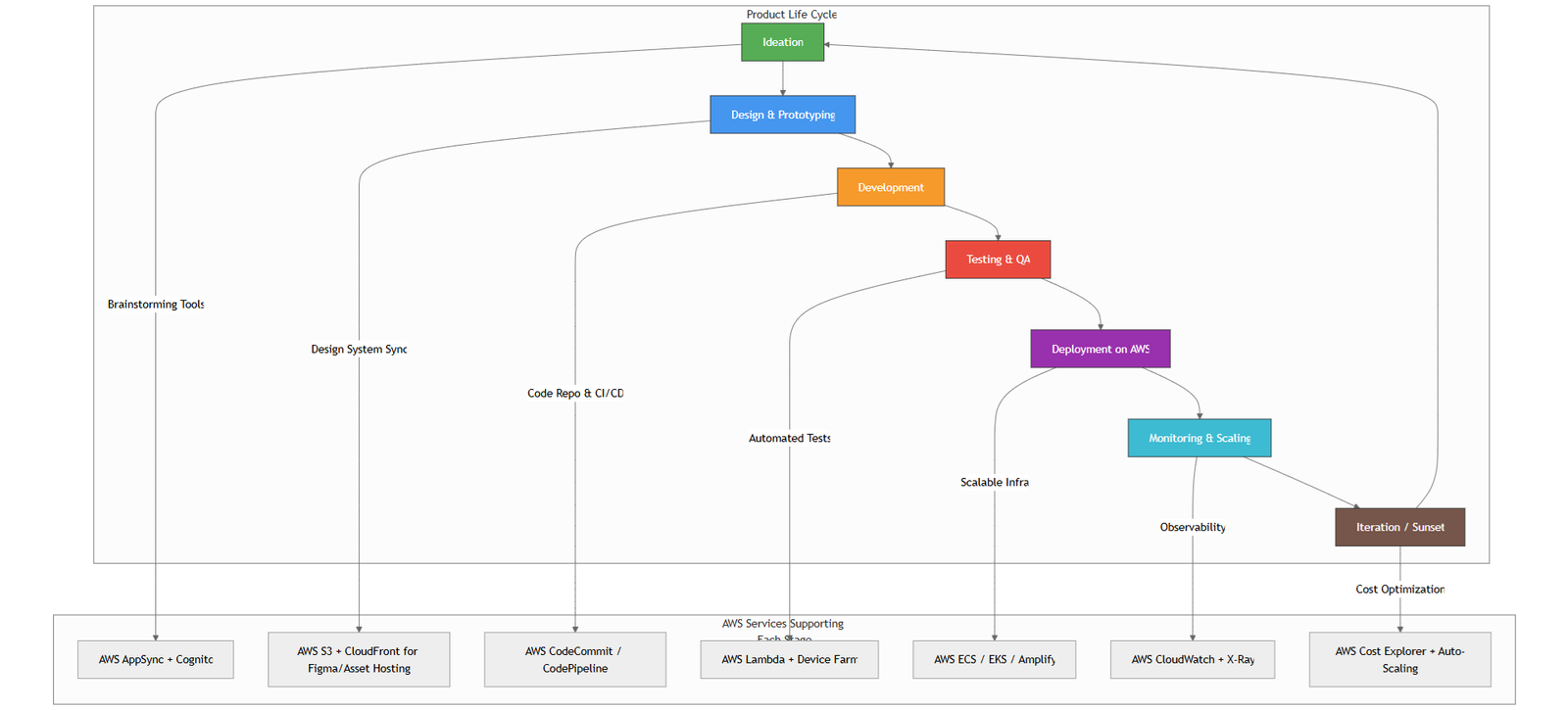
Our Proven 4-Step Process:
- Data Audit → Connect Shopify, Google Analytics, email, ads → full visibility in 7 days.
- Insight Engine → Custom dashboards showing your top opportunities (e.g., “Your cart abandonment is 68%—here’s how to fix it”).
- Action Playbooks → Step-by-step plans: email flows, ad tweaks, inventory rules.
- Ongoing Optimization → Monthly reviews + A/B tests to keep performance climbing.
Client Result: A home goods store reduced ad spend by 22% while growing sales 37% using our attribution model. See case study →
Get Started: Book a free 30-min data review at rudelabs.com/ecommerce-audit. No sales pitch—just insights.
Tools to Get Started (Free & Paid)
| Tool | Best For | Cost |
|---|---|---|
| Google Analytics 4 | Traffic & behavior | Free |
| Shopify Analytics | Sales & inventory | Included |
| Klaviyo | Email + SMS | Starts free |
| Hotjar | Heatmaps & recordings | Free tier |
| PriceSpider | Competitor pricing | Paid |
FAQs: Data-Driven E-Commerce
How much can data improve my e-commerce sales?
On average, 15-30% revenue growth in 6-12 months with consistent use, per Forrester.
Do I need to be a data expert?
No. Tools like Google Analytics and RUDE LABS dashboards make insights beginner-friendly.
What’s the first data point I should track?
Cart abandonment rate. The average is 69.99%—fixing it can add $1M+ in recovered sales for mid-sized stores.
Is data-driven marketing expensive?
Not if done right. Email marketing (data-powered) has a $36 ROI for every $1 spent, per Litmus.
How does RUDE LABS differ from DIY tools?
We connect, clean, and act on your data. DIY = setup time. RUDE LABS = results in weeks.
Ready to unlock your store’s hidden profits? Visit rudelabs.com/ecommerce for your free data snapshot.
Key Citations
- Statista: Global E-Commerce 2023-2026
- McKinsey: Data-Driven Retail Profitability
- Salesforce: State of the Connected Customer 2025
- Deloitte: Retail Analytics Survey 2025
- Baymard Institute: Cart Abandonment Rate 2025
- IHL Group: Inventory Distortion Report
- Klaviyo: E-Commerce Benchmarks 2025
- WordStream: Google Ads Benchmarks 2025
- Bain: Customer Acquisition vs Retention Cost
- Omnisend: Win-Back Campaign Stats
- BCG: Dynamic Pricing in Retail
- Forrester: Data-Driven Growth Impact
- Litmus: Email Marketing ROI 2025